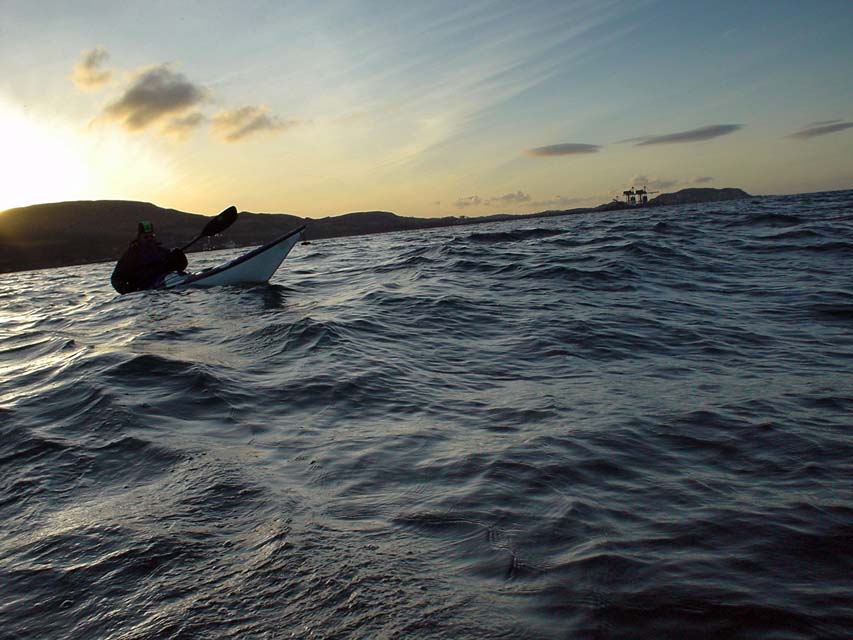
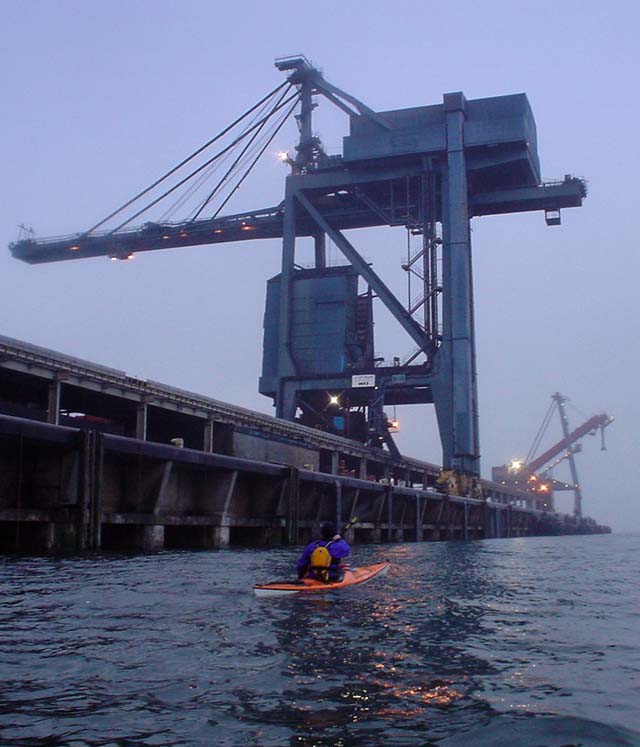
It has been a fine and mild autumn but outside the gale is blowing and the last of the autumn leaves have been stripped from the trees. The deciduous woodlands have entered the skeletal grip of winter.

In the warmth of the evening living room, the radio road reports are warning of snow on the main road north to the Highlands from Glasgow. Snow is falling between Crianlarich and Glen Coe. The Scottish winter has arrived.

Of course Scottish sea kayakers are a hardy breed descended, as we are, from great Viking and Celtic seafarers.
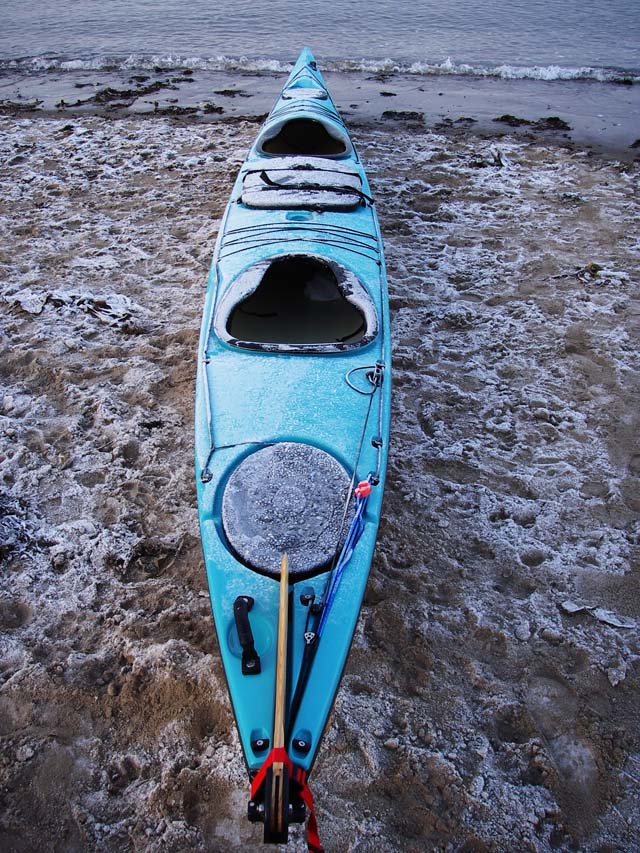
Hot Scottish blood courses through our veins and a little drop in the temperature scarcely bothers such hardy creatures, whether bearded or unbearded.

However, recent talk (on this very blog) of swimming from the kayak raises some serious concern. Even the resilient Scottish constitution, however fortified or naturally insulated, is not immune from the hyopothermic effects of the winter North Atlantic.
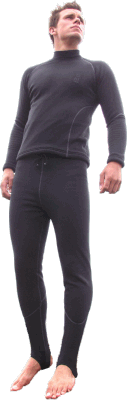
It was not entirely coincidence, therefore, that a package arrived this morning from that reputable manufacturer of dive clothing: Fourth Element. The contents of the parcel were their renowned Xerotherm Arctic top and bottom, designed to provide thermal protection and moisture wicking under a membrane dry suit.
"Using a combination of fast wicking, high insulation fabrics, the Xerotherm Arctic creates a micro climate around the wearer, keeping the body dry and warm. A high density inner fleece provides superior insulation, with maximum comfort and wicking, whilst the outer layer, which has a water repellent finish, ensures a snug fit."
I hasten to add that the fine gentleman pictured above is not my good self. The package from Fourth element was totally devoid of the optional body kit; my dolphin avatar is chosen for good reason. However, it is much easier for someone of my particular athletic build to buy diving attire than cycling wear (how I detest yellow lycra). Although not mentioned on their website, Fourth Element thoughtfully do their large waisted bottoms in a short legged version. Imaginations may run riot in the absence of photography.
I wonder if they do shorts for under the kilt?
If I do run into Deep Trouble, I am confident my thermal protection will give me time to self rescue. Failing that, I hope to survive long enough to hear the beat of the big yellow budgie overhead. I love the smell of kerosene in the morning!